Africa Loses $15bn Yearly Exporting Crude, Gas As APPO Pushes Energy Bank Plan

Africa is exporting the bulk of its energy resources instead of building value at home, costing the continent billions of dollars each year, the Secretary-General of the African Petroleum Producers Organisation (APPO), Farid Ghazali, has said.
Speaking at the 9th Nigeria International Energy Summit (NIES) in Abuja, Ghazali said Africa exports about 70 percent of its crude oil and 45 percent of its natural gas annually, resources that could generate an estimated $15 billion a year if processed locally, particularly through midstream and downstream development.
He identified high financing costs as the biggest obstacle to unlocking Africa’s energy potential, noting that more than 150 critical projects, ranging from refineries to pipelines such as Nigeria’s Ajaokuta-Kaduna-Kano (AKK) gas pipeline, remain stalled.
“The cost of financing in Africa is between 15 and 20 percent, compared to just 4 to 6 percent in Asia. This disparity is unacceptable and continues to slow our progress,” Ghazali said, adding that Africa’s fragmented energy finance ecosystem further compounds the problem.
According to him, APPO’s 18 national oil companies largely operate in isolation, without a shared stock exchange or integrated financial framework, limiting regional cooperation and the continent’s ability to attract large-scale investment.
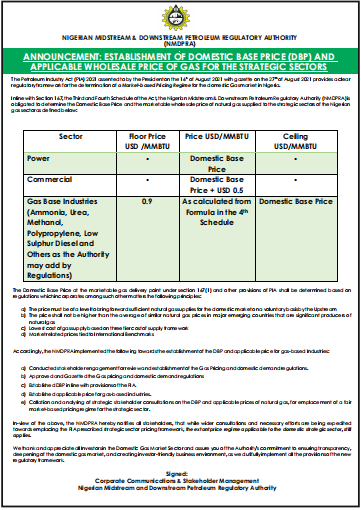
To address these challenges, Ghazali said APPO is pushing the creation of the African Energy Bank (AEB), a pan-African financial institution designed to mobilise up to $200 billion for midstream and downstream energy projects by 2030.
He described the proposed bank as a platform for equipment exchange, energy services and innovative financing, aimed at helping Africa “produce what it consumes and consume what it produces.”
The AEB, he said, would allow national oil companies and flagship projects, such as the Dangote Refinery and the AKK pipeline to list shares, with a target of raising $15 billion within three years by improving liquidity.
Ghazali added that the bank would harmonise intra-African oil and gas pricing, potentially cutting energy import costs by up to 30 percent and delivering savings of about $1.4 billion across the continent.
The institution would also link Africa’s certified energy projects to major global capital pools, including sovereign wealth funds such as IDAA and Saudi Arabia’s Public Investment Fund (PIF), as well as capital markets through green bonds and public-private partnerships.
“We plan to begin regional oil and gas trading, guided by the Brazzaville Declaration’s target of 50 percent local content,” he said. “By 2030, the African Energy Bank will be a true continental financial hub.”
Ghazali projected that the initiative could help create about 500,000 direct jobs in Africa’s midstream sector, reduce import dependence and significantly boost investor confidence.
He pointed to Nigeria’s local content framework, led by the Nigeria Content Development and Management Board (NCDMB), as a model, citing over $5 billion in local contracts executed through partnerships with international oil companies.
He also referenced the Dangote Refinery as evidence that African projects can attract private capital once risks are properly managed.
From Abuja, Ghazali called for an “Abuja Pact”—a collective commitment by Nigeria and other APPO member states to launch and make the African Energy Bank fully operational by mid-2026.
He said the pact would align with ongoing discussions on local content development and regional gas diplomacy, positioning Nigeria and APPO as leading forces in Africa’s energy financing landscape.
Subscribe To Newsletter