NRGI, Policy Alert, Extractive360 Convene Webinar Calling For Strict Enforcement Of Methane Emissions

By Kelvin Alohan and Virginia Akor
The Natural Resource Governance Institute (NRGI), Policy Alert and Extractive360 have amplified calls for stricter enforcement of methane emissions in Nigeria’s Niger Delta.
The call was reiterated in a Webinar with the theme: “Leveraging Media Storytelling to Strengthen Accountability and Enforcement on Methane Emissions,” which was jointly convened by the organisations.
The organisations emphasized the need for stricter enforcement of Nigeria’s methane emissions regulations, warning that weak implementation of existing laws continue to pose serious environmental health and economic risks to Nigeria’s oil-producing communities.
The Webinar featured the screening of the Documentary titled ‘Flaring Lives,’ a documentary highlighting the human cost of methane emissions and gas flaring in Nigeria’s Niger Delta, which was produced by Policy Alert and We The People, with support from NRGI.
It also featured a Panel discussion moderated by Juliet Ukanwosu, Executive Director, Extractive360, with senior media personalities including Kingsley Jeremiah, Deputy Bureau Chief, the Guardian, Raliat Ahmed-Yusuf, Managing Editor, Leadership Newspaper, and Lami Sadiq, Editor of the International Centre for Investigative Reporting (ICIR), as speakers.
The event aims to raise awareness of the environmental, health and socio-economic consequences of methane emissions and gas flaring in Nigeria’s oil-rich region.
NRGI Country Manager, Tengi George-Ikoli, during her remarks, stressed that while Nigeria seeks to expand gas production as part of its energy and economic strategy, it must simultaneously meet its commitments to reduce methane emissions, eliminate routine gas flaring and support global climate objectives.
George-Ikoli who spoke through the NRGI Programme Officer, Ahmad Abdulsamad, pointed out that the challenge lies in ensuring that both ambitions are pursued without sacrificing environmental sustainability as well as the health and livelihood of host communities.
According to George-Ikoli, methane emissions are not merely a climate issue for communities living around oil and gas facilities, but are a matter of public health concerns, declining agricultural productivity and pollution of fishing waters.
While acknowledging Nigeria’s progress in recent years, particularly, through the introduction of methane regulations, reporting requirements and improved emissions disclosures by companies, she however, noted that the real test lies in implementation.
“The real test lies in implementation, are commitments being met? Are emissions being measured accurately? Are regulations being enforced consistently? And most importantly, are the experiences of affected communities reflected in the decisions being made?” George-Ikoli queried.
Calling for stronger and more consistent enforcement of regulations, she insisted that compliance can only be achieved when there are clear consequences for violations, while also urging oil and gas companies to move beyond disclosure and take concrete steps to reduce emissions.
Speaking further, she called for accelerated implementation of the Nigerian Gas Flare Commercialisation Programme (NGFCP) to ensure the capturing more associated gas for productive use.
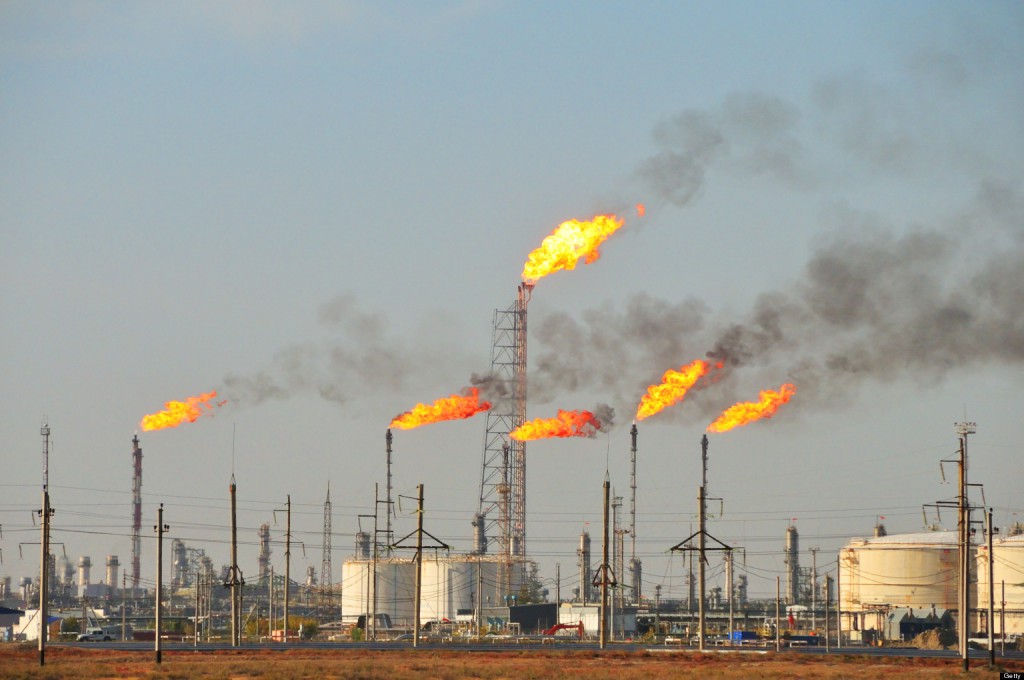
For his part, Executive Director of Policy Alert, Mr. Tijah Bolton-Akpan, said communities in Nigeria’s oil producing region continue to suffer respiratory illnesses, contaminated farmlands, declining fish stocks and worsening climate impacts as a result of gas flaring and methane emissions.
Calling for stricter enforcement, he described gas flaring in the Niger Delta as a long-standing environmental injustice that has persisted for decades.
“For decades, gas flaring, venting, and fugitives have been treated as an acceptable cost of doing business, while the communities living in their shadow are treated as collateral. That view must change,” Bolton-Apkan, who was represented by Edidiong Dickson, Head of the Energy, Extractives, and Climate Justice Programme, at Policy Alert, said.
He urged media professionals to intensify investigations into methane emissions and gas flaring, tasking them to hold government institutions and industry players accountable for compliance.
In his presentation ‘Turning Documentary Evidence into Media Action: Practical Approaches for Reporting and Advocacy on Methane Emissions,’ NRGI, Africa Communications Officer, Damilare Ogunmowo, stressed the critical role of journalists in promoting accountability.
Ogunmowo urged media practitioners to make greater use of publicly available data and information to scrutinise government and industry performance on methane emissions.
In her welcome remarks, Executive Director of Extractive360, Juliet Ukanwosu, said the webinar was organized to increase awareness of the impacts of methane emissions and gas flaring on affected communities as well as facilitate discussion on enforcement gaps and opportunities for accountability.
She added that the webinar was convened to explore how journalists and media organisations can use the documentary to strengthen reporting and advocacy on methane emissions and environmental justice.
She explained further that the panel session is intended to stimulate a balanced discussion that covers the documentary’s findings, accountability gaps, regulatory enforcement, media advocacy, and practical solutions.
“It is important that we understand the problem, accountability and enforcement issues, the human impact, our role as media professionals and how we can all collaborate on the needed solutions,” Ukanwosu stated.
Subscribe To Newsletter